India
Is Pune turning into a heat trap?
Increased concretisation turning Pune pockets into urban heat islands.

Radha Deshpande | Although once known for its pleasant weather even during the unforgiving summer, Pune is now breaking records when it comes to temperatures in peak summer months. This May, Pune recorded not only some of its hottest May days, but also much warmer nights and mornings. While considering the weather events in context of climate change, experts have also pointed at the rapid infrastructure growth and dwindling forest cover in the city, as one of the major reasons behind this spike in heat.
Pune has experienced a massive spike in industrialisation and urbanisation with the infrastructure and administration growing up to 2.39-3.0 percent. This has led to what experts call the urban island heat effect.
Sarang Yadvadkar, an activist and environmentalist explains that Urban heat island effect is the phenomenon where materials like concrete absorb heat and eventually emit the same causing the temperature in a particular area to grow along with the same. "The more we cut trees the more heat will be stored due to concretisation," Yadwadkar says.
.jpeg)
Representational Image
“The major factor in the growth of this heat is the rapid concretisation where the concrete traps most of the heat resulting in a rise in the surface temperature in particular,” states Prof. Navendu Chaudhary at the Symbiosis Institute of Geoinformatics.
He emphasises the rapid growth in the nighttime temperature due to concrete trapping the daytime heat which is usually emitted at night. “Earlier the buildings would usually be about three storeys high and therefore would usually be surrounded by tall trees. However most buildings today are at least 10 storeyed, where it becomes impossible to gain any cooling effect caused by any trees around them," Chaudhary says.
The increased Floor Space Index (FSI) in Pune, due to administrative policies as well as the construction of metro lines across the city, has led to the construction of taller buildings, new as well as redeveloped. Pune is seeing massive redevelopment in all its old residential pockets, most of which are seen bringing taller as well as denser buildings.
"The taller the buildings, more heat will be trapped,” Chaudhary adds.
Evolving skyline of Pune.
— Sarang Yadwadkar (@SVYadwadkar) May 31, 2026
Just don't bother about water supply, sewage treatment, waste collection & treatment, heat island effect, carnage of trees, gardens, air quality etc. etc.
JUST BE HAPPY!@vandanahchavan@navalMH@AUThackeray@CMOMaharashtra@bhaumikgowande@bonyuppal pic.twitter.com/emb2GaEZkU
Speaking about the growing FSI Yadwadkar states “Each city had their own development control rules based on the city’s nature however in 2020, the Unified Development Control and Promotion rules (UDCPR) tended to increase the FSI. Using the excuse of the metro, the FSI was gradually increased, however no alternative care was taken.”
However, experts also point out the relation between increasing construction in the city and increasing population. “The Urban heat island effect is also created due to the demands of the public,” states Pune-based architect Madhura Mulay, who emphasises on how social planning is essential to solve this issue with one of the major aspects being population growth.
“The more the population grows, more roads, housing, etc. will become essential, which will unfortunately always result in a loss of green cover.”
Pune is developing into a metropolitan city, the population has grown at 2.3-3.3 percent over the past few years which has resulted in a significant loss of 620 hectares of trees and 500 hectares of grasslands.
Mulay adds that due to the commercial development, almost all the roads, buildings, etc. are built with concrete which is a highly reflectable substance. “There is no soil outside of buildings to absorb any sort of water. Since there is no absorbing substance, the heat is only going to be reflected,” she states.
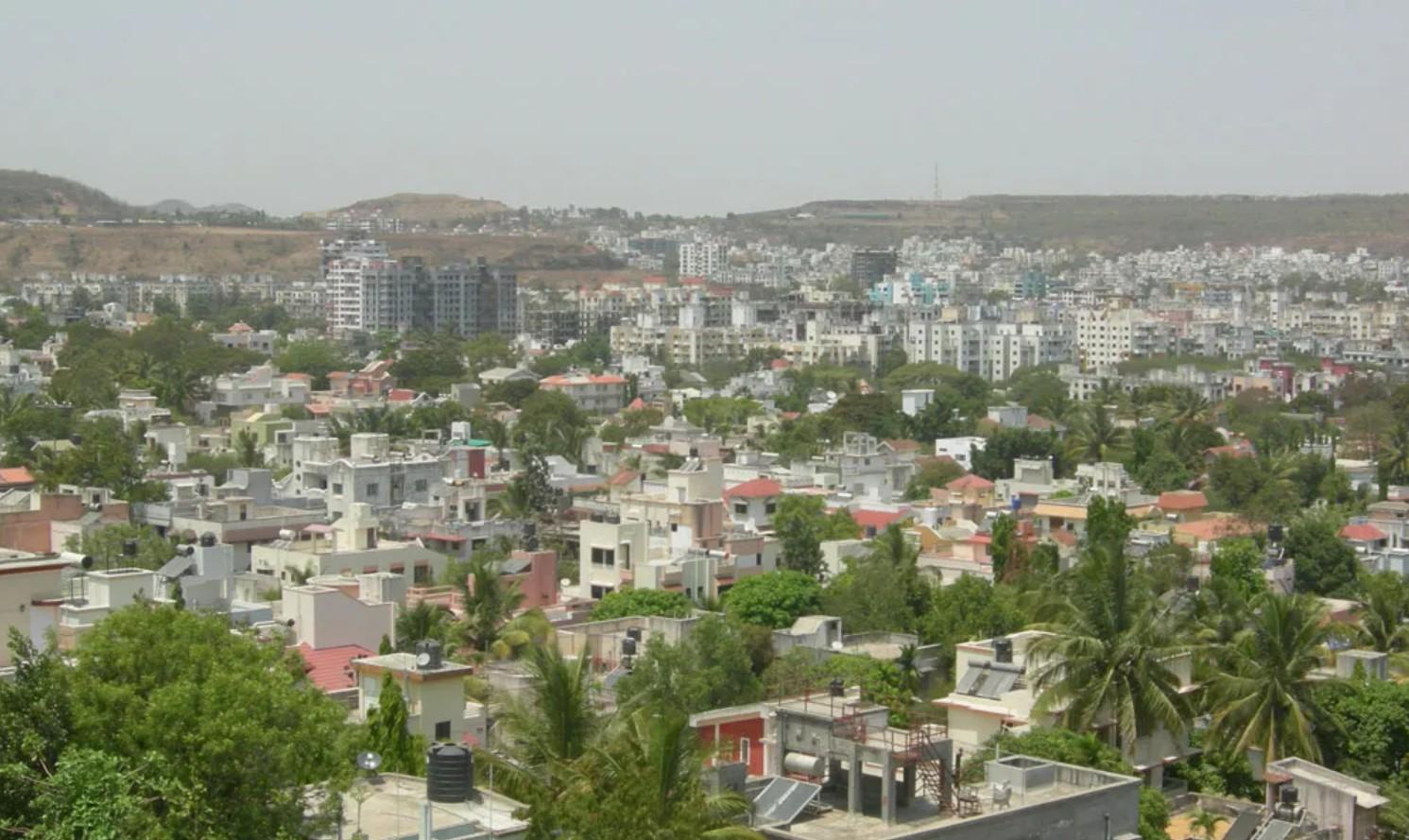
Kothrud, Pune. Representational Image.
A survey by the Centre for Science and Environment (CSE) shows that the condition of the rivers in a city are also responsible for the rising local temperatures. "The high level of untreated sewage turns rivers into open sewers, along with rapid infrastructural growth along its banks. This untreated sewage system releases a large amount of greenhouse gases, further contributing to the increase in heat," the research states.
The study also states that constant building of dams and other concrete structures has resulted in the stagnation of the river blocking its flow along with the polluted water resulting in a rise in its temperature.
According to the older population of Pune, the change and the infrastructure growth has been evident. They are often seen reminiscing that areas like Kothrud, till 2007 had a lush green cover. However if we see the current situation most of the green cover has been cut down to make way for commercial buildings and other infrastructure.
Sandhya Deshpande, originally from Nagpur, moved to Pune in 1972 stated a similar opinion. “I come from Nagpur, the city that experiences extreme heat during the summer. When I moved to Pune I felt a sense of relief due to how pleasant the weather here was. However the heat has increased to such an extent since, that both the cities unfortunately feel the same now.”
Heat is a serious health risk. Night temperatures matter. Trees help make our urban life bearable in the summers.
— Sumita Kale (@sumitakale) April 30, 2024
Adding reminder for #Pune on land use and temperature rise since 2001. https://t.co/SsAUoAHM5j https://t.co/ITcFxS8rz0 pic.twitter.com/uC5OmuLTeQ
Along with the daytime temperature, Prof. Chaudhary emphasises the rapid growth in the nighttime temperature due to concrete trapping the daytime heat which is usually emitted at night. He states, "While the day experiences heat due to the sunlight, the nights which should ideally be cooler. But they are also experiencing a significant rise in temperature because of the heat trapped during the day."
As per the studies conducted by several public health organisations, warmer nights create a higher risk of health complications especially for vulnerable groups such as children and the elderly as the warmer nights reduce the bodies’ ability to recover from the daytime heat.
Manjiri Soman, a local who has been living in Pune since 1987, emphasises on how much the city has changed. “One major aspect was that people would often commute on cycles and use public transport instead of their own personal vehicles which resulted in fresh air and less pollution.”
While Mulay states that the growing infrastructure is dependent on the population and the demand of the public, she also points at the lack of contribution made by the builder industry with respect to sustainability.
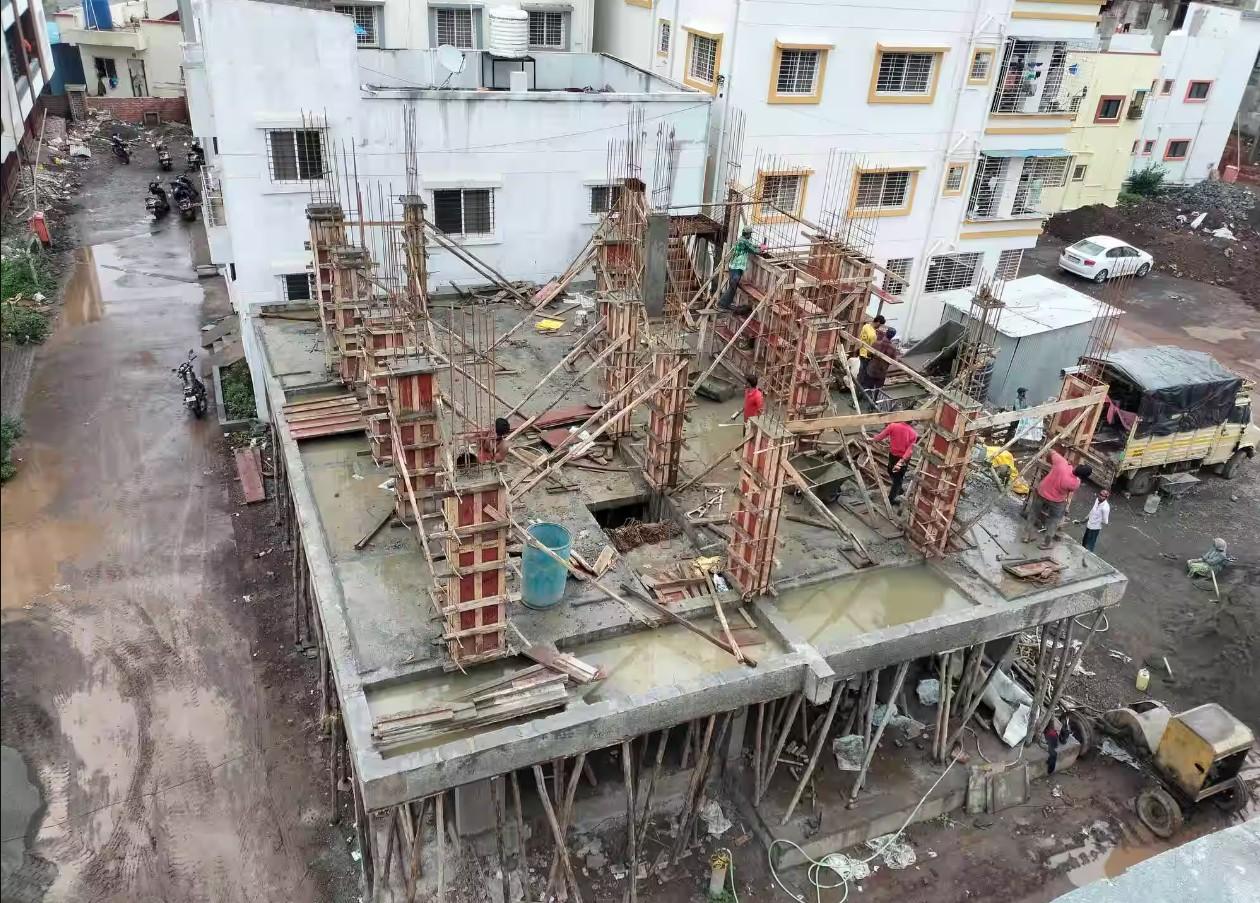
Representational Image
“Pune’s city structure is completely dominated by the builder industry and builders look at the sustainable design only to gain commercial gain and green FSI. Most of them do not care about sustainability,” she says.
However Yadwadkar says, “We can’t completely blame builders since this is a business for them however we can’t say that the builders are taking care about the sustainability since there are several norms related to the same but aren’t followed or sustained once the building is made.”
“It is the fault of the UDCPR to make the decision of increasing the FSI, the builders are going to do their job.” he states.
Aditya Deshpande of the New Front Group claims that builders nowadays do pay attention to sustainable development and are aware of the rising heat that the infrastructure is causing.
“If a project is big enough most builders will have to go through environmental clearance (EC). Without this, the project will not start. “The problem is that the population of Pune is in-flowing with not only the locals but people from other cities moving in and unfortunately Pune’s town structure was not prepared or planned for the same. It's the poor planning that is causing this environmental impact,” he says.
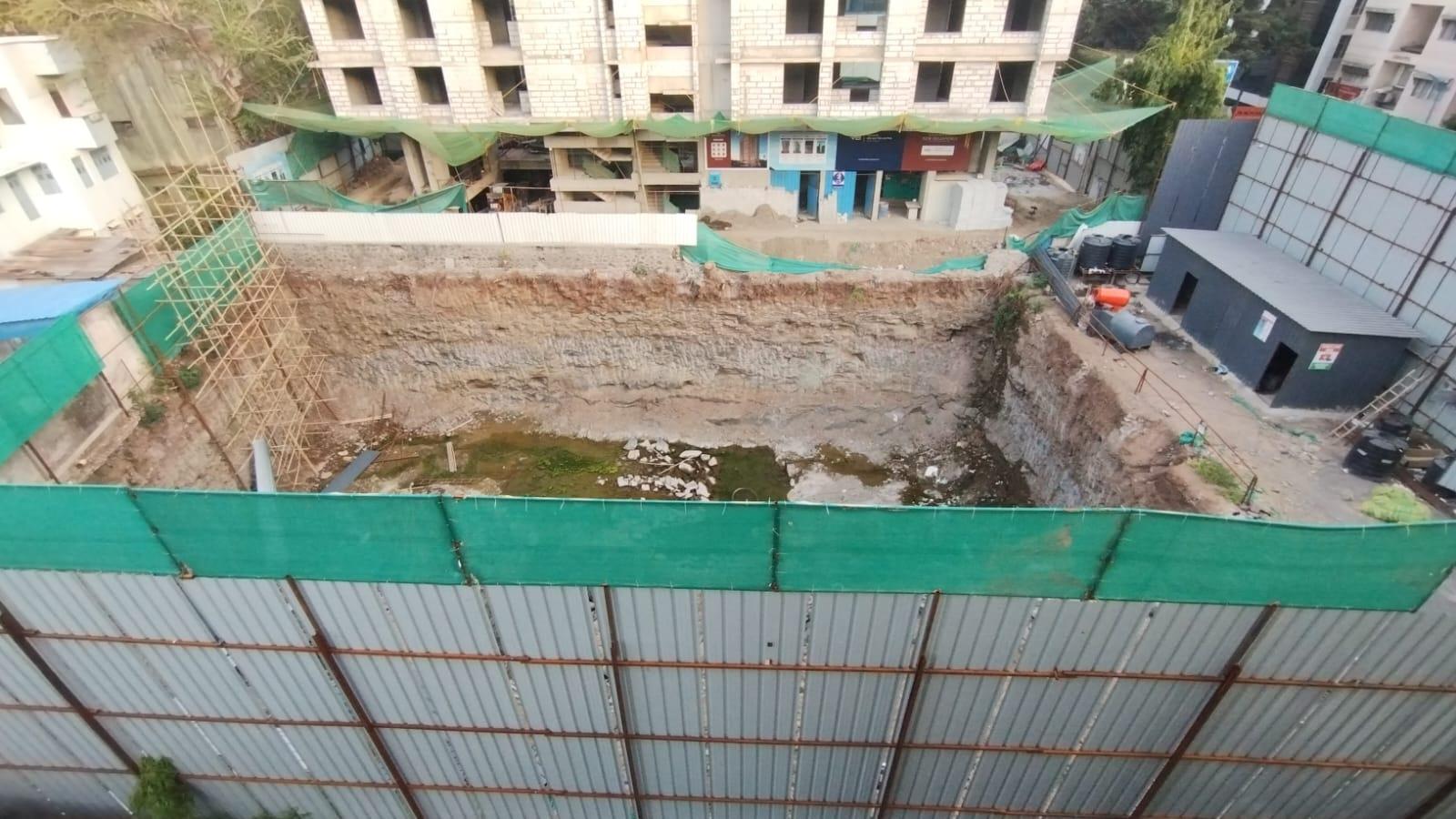
Representational Image
“We can’t completely blame the population for this rise, it is also essential to understand that as long as we don’t develop our rural regions, villages and only focus on the cities, the population is always going to be concentrated,” states architect and environmental activist Sarang Yadwadkar.
According to Prof. Chaudhary, the city landscape and the infrastructural growth of Pune do not support each other.
“One way we can solve this issue is shifting the development from A-tier cities to B-tier cities to balance out the structure instead of concentrating it on one city like Pune. This can help in bringing the heat and temperature in control.”
He emphasises that since Pune has become a major commercial hub, the concentration of population has increased to such an extent where infrastructure is being built regardless of the fact that Pune’s landscape is not capable of the same.
“It is essential to stop the constant development happening in Pune if we want to create that balance. Planners should focus on more remote regions. Stopping the rapid development in Pune will help with the heat issue in question being solved.”



